Corona discharge is an electrical discharge brought about by the ionization of a fluid, such as air, surrounding a conductor that is electrically charged. It occurs when the electric field strength (potential gradient) around a conductor is high enough to form a conductive region, but not high enough to cause electrical breakdown or arcing to nearby objects.
1.物理的メカニズム
このプロセスは、高電圧導体に不均一な電界(通常は鋭利な点または細い部分)があるときに開始されます。 wires).
-
Ionization: The intense electric field accelerates free electrons in the air to speeds high enough to knock electrons out of neutral gas molecules upon collision.
-
Electron Avalanche: This creates a chain reaction of ion-pair production known as an "electron avalanche" or Townsend discharge.
-
Plasma Region: A region of low-density plasma is formed around the conductor. In this region, ions carry the charge to the neutral fluid.
2. Characteristics
-
Visual: A faint blue or violet glow (luminous corona) visible in darkness. This is caused by electrons returning to lower energy levels in nitrogen molecules.
-
Audible: A characteristic hissing or crackling sound caused by the rapid expansion of air molecules.
-
Chemical: Production of Ozone (O3) and various nitrogen oxides (NO). These gases have a distinct, pungent odor and are chemically corrosive.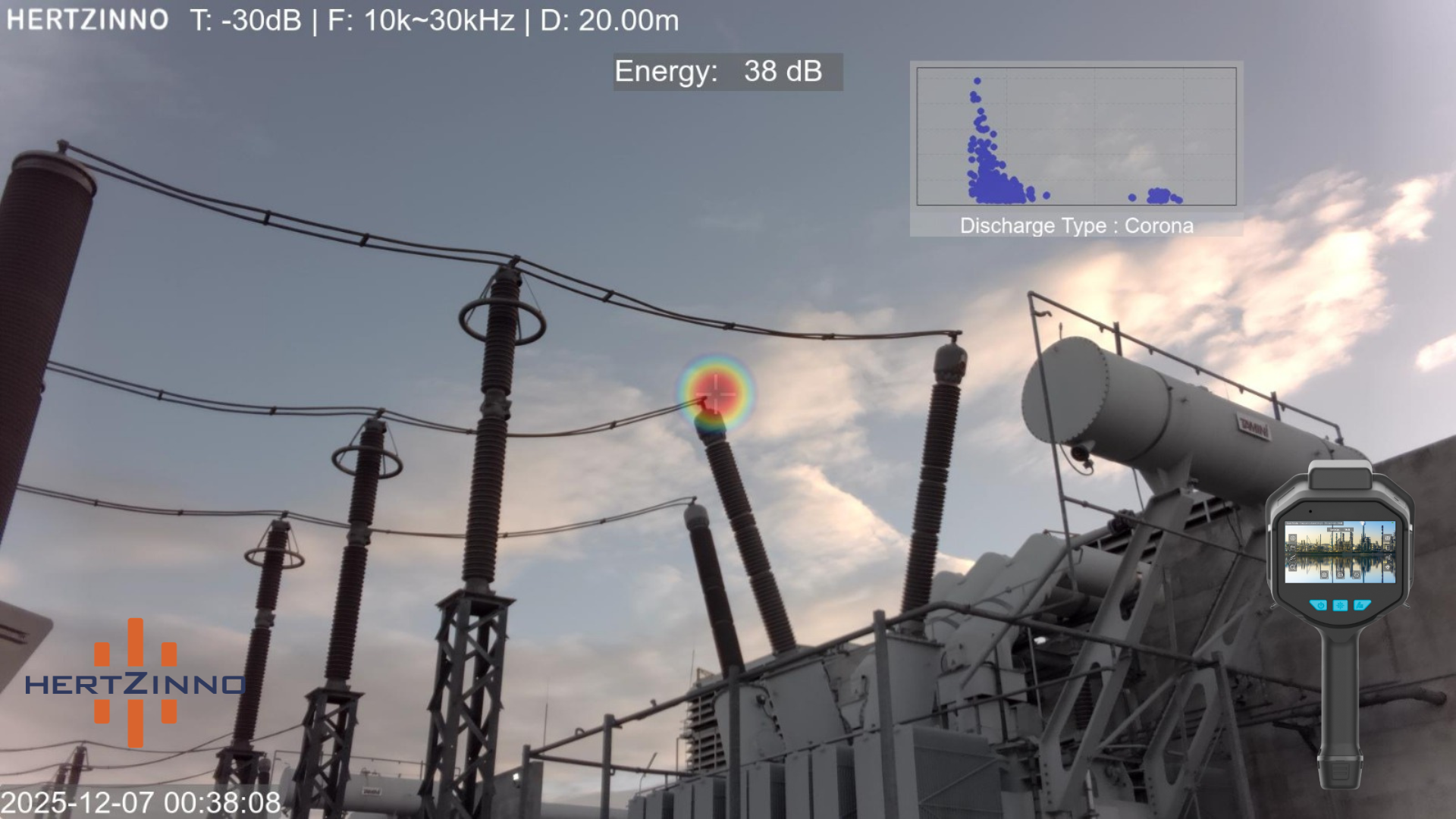
3.電気システムへの影響
コロナ放電は一般に、高電圧工学における寄生現象と考えられています:
-
電力損失: It dissipates energy into the atmosphere, reducing the efficiency of power transmission.
-
電磁妨害(EMI): The discharge generates high-frequency pulses that cause "radio noise," interfering with radio and television signals.
-
材料劣化: The chemical by-products and ultraviolet radiation can degrade the insulation of high-voltage components over time.
4。産業用アプリケーション
送電線で損失があるにもかかわらず、コロナ放電はいくつかの技術で利用されています:
-
電気集じん器 (ESP): Used in factory chimneys to remove dust and smoke particles from exhaust gases by charging them.
-
Photocopiers and Laser Printers: Uses a "corona wire" to apply a uniform static charge to the photoreceptor drum.
-
Surface Treatment: Used to increase the surface energy of polymers and plastics to improve the adhesion of inks and glues.
-
Ionizers: Used in air purifiers to charge particles so they stick to collection plates.
5. Controlling Factors
The onset of corona discharge is governed by several variables, often calculated using Peek’s Law:
-
Curvature: Smaller radii (sharper points) increase the local electric field and trigger corona at lower voltages.
-
Air Density: Lower air pressure (high altitude) or higher temperatures decrease the voltage required for corona.
-
Surface Condition: Dirt, water droplets, or scratches on a conductor's surface act as local points of high field intensity, promoting discharge.


